Method
Every voice is unique. I adapt my teaching to each student’s age, level and goals, from a child’s first lesson to conservatory entrance preparation.
Classical & opera singing
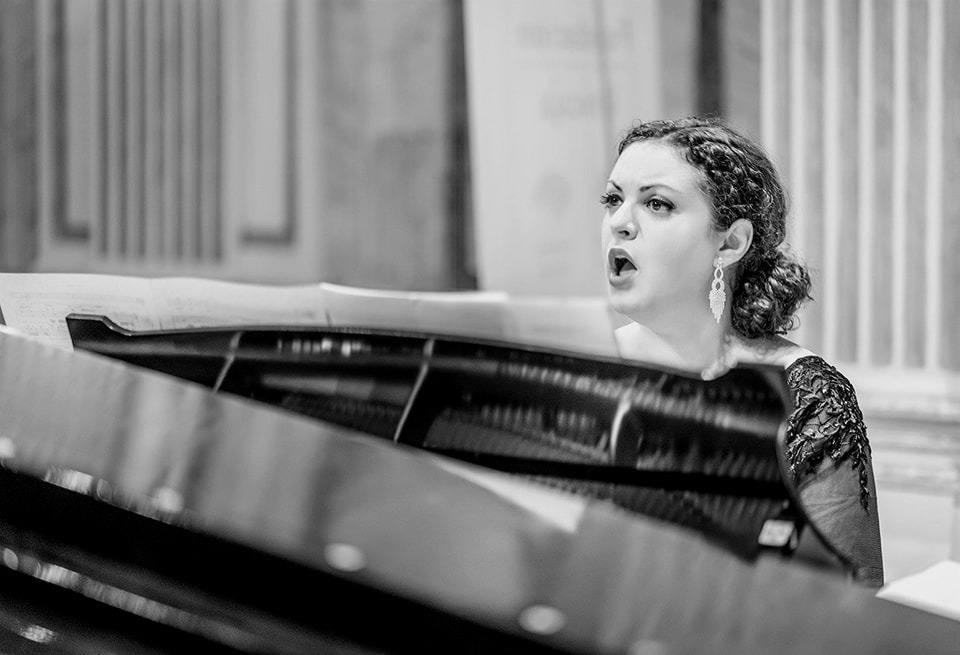
Breath, soft palate and resonators. Repertoire from art song to international opera and zarzuela.
Modern singing
Healthy technique for jazz, gospel, pop and other modern styles, with attention to style and expression.
Choirs & ensembles
Choir coaching with the anatomical vocal technique: better blend, intonation and vocal health.
Auditions & exams
Entrance exams, auditions and Conservatorio Superior final exams for opera singers.
Three core components
Following the holistic approach of Janice Chapman and the teaching of Carlos Aransay, my technique rests on three foundations: primary sounds, postural alignment and breathing & support.
Once these are secure, we work on the four outer areas: phonation and the speaking voice, resonance, articulation, and artistry & performance.
Technique should be explained so that it is accessible to every singer, not only to the naturally gifted. Science, medicine and methods such as the Alexander Technique have transformed how we understand the voice.
The 10 keys of the technique
A short explanation of the theory, followed by exercises that make the anatomical vocal technique clear in the body.
Abdominals
The engine of the breath, centred in the dantian, with the belly button as reference.
Natural support
The “diamond” of the lower torso holds the breath steadily and freely, without pushing.
Soft palate
Rises and lowers with the pitch, giving each note the space it needs.
Articulation
Vowels and consonants with the right pharyngeal space, in Italian, German, English, French and Spanish.
Low & high range
One connected voice from bottom to top, using the resonators appropriately in every register.
Posture
Ears over shoulders, flexible knees, open chest: the whole body as a free instrument.
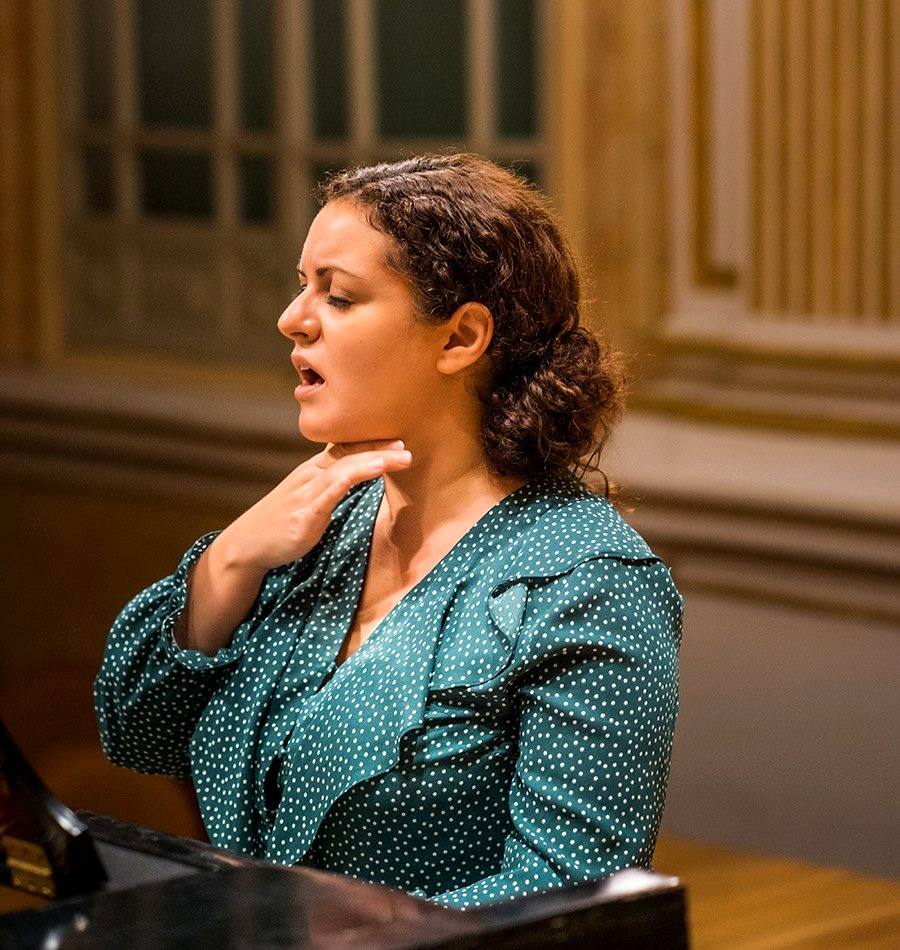
Open neck
A long, free neck keeps the laryngeal space open. Absolutely essential.
Hands
Gesture as a tool to release tension and to connect body, breath and expression.
Tongue & jaw
A relaxed jaw opening from its natural hinge, never a “crocodile mouth”.
Interpretation
With the technique in place, the singer connects with emotion and the text on stage.
In the classroom
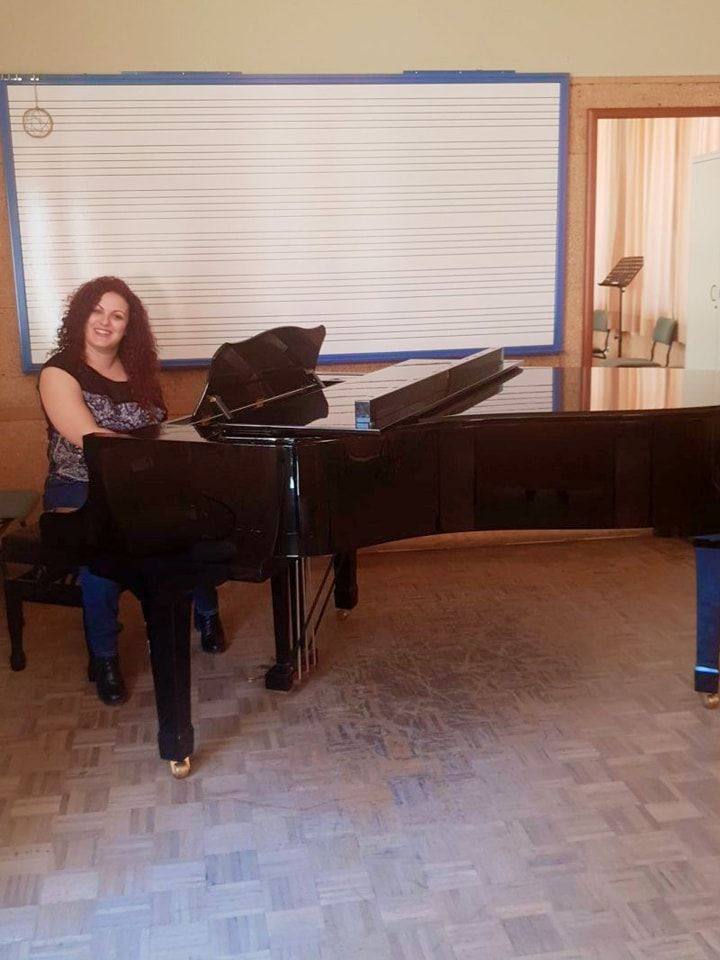
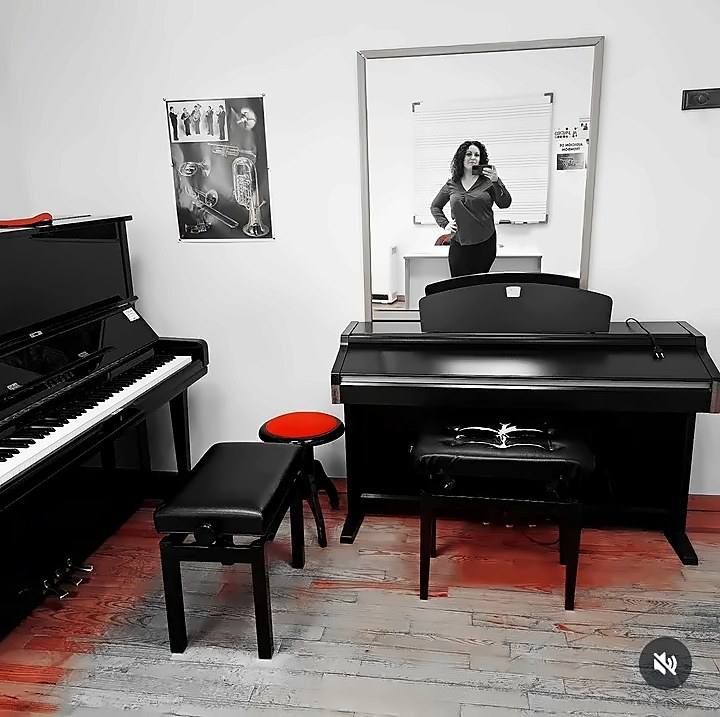
Every lesson starts at the piano: warm-ups, technique and repertoire, step by step.